Showing posts with label Genre. Show all posts

Sunday, 13 November 2016

Genre - Post-Apocalyptic

Post-Apocalyptic
I have decided to create two extra research posts on two specific genres of film: drama and post-apocalyptic. This is because these are the genres I am considering pursuing for my coursework.

Post-apocalyptic genre is a branch of the science fiction genre in which the Earth's technological civilisation has collapsed and the 'end of the world' has taken place. In its aftermath, the characters are often seen trying to survive and start anew. It focuses mainly on the unfamiliar setting and is often used to portray real life issues in an unfamiliar setting. The genre is often confused with dystopian fiction, however, dystopian fiction usually revolves around a suffering but socially structured civilisation eg a government oppressing a civilisation etc. whereas post-apocalyptic is purely setting based and is the physical aftermath of some form of global disaster in which civilisation has been destroyed.

Conventions of the Post-Apocalyptic Genre
Post-apocalyptic conventions mainly revolve around the setting as opposed to the narrative structure etc.
  • Setting - Setting is the most important aspect of the post-apocalyptic genre and usually depends on the history of the fictional universe. For example, how the world came to its 'end'. The setting may change based on how the world ended, whether it be a man-induced incident eg. nuclear warfare or a naturally occurring incident to do with climate or a natural disaster. This being said, a commonly occurring theme within the genre is desolation, so using an isolated setting that doesn't look used or lived in is most conventional. This means any pre-existing signs of prior civilisation eg. buildings etc. will be rundown, decaying and empty. Vegetation will often be overgrown to really exaggerate the idea that nobody is present to tend to such things. If the world has been destroyed as opposed to civilisation just being wiped out, then it will often not contain any vegetation at all and just be filled with rubble and desert to show how everything has physically been destroyed. The environment will act as one of the biggest difficulties the characters will face and will often be dangerous eg. fantastical/mutated violent creatures or contamination in the air etc. In terms of era, similarly to science fiction as a whole, post-apocalyptic films are often set in the future or on a separate timeline, as obviously the setting is not the same as real life. Time is often no longer a concept as the characters have no intruments to tell the time with. Moreover, no longer living in a structured civilisation, needing to know the exact time is pointless.
  • Technical Codes - As the post-apocalyptic genre is often based around the setting, using camera shots and angles that help establish the setting is important. This means using long shots, extreme long shots and very long shots are common in order to show the audience the unfamiliar setting to avoid confusing them later on. Aerial angles are another way to show the setting from afar and allow the audience to understand the unfamiliar setting. Using panning shots helps them to do this too. In terms of editing, post-apocalyptic can have slow moments, especially to begin with when the characters have nobody about to threaten them and are often surviving off the environment alone with not much else going on, using slow cuts helps to create the slow and 'calm' atmosphere. It also creates this sense of repetition and impatience in the audience, which links to the idea of the characters waiting for something more beyond the wasteland they live in. Post-apocalyptic films often contain action towards the climax and therefore incorporate fast cutting to simulate chaos and aid the action and drama. Colour grading depends on the mood trying to be created. Warm colour grading that exaggerates the browns and reds within the setting is common as these tones are conventional in the genre. Using flat colour grading is common in order to create a bleak effect that relates to the character's lives. 
  • Characters - Post-apocalyptic films often contain a protagonist who is seen alone to begin with, surviving by themselves. They're often male, tough and resourceful - as expected if they're surviving off the environment alone. The protagonist, despite their terrible surroundings, will still be good-natured deep down, even if they show an untrusting, brooding and tough nature to other characters they may meet. During the film, the protagonist will usually encounter another survivor or a band of survivors whom they will ally their self with. However, the film may begin with a band of survivors as opposed to just one survivor, if this is the case it is common for the band of survivors to be killed off one by one throughout the film. Post-apocalyptic films often do contain an antagonist who causes trouble for the protagonist[s] on top of the environment causing issues. The antagonists usually have become very accustomed to living in the wasteland type environment and may even find themselves enjoying it. This is probably because they have power where they wouldn't have in the previous world, as they're often in charge of a different, more violent, group of survivors. Zombies are often used in post-apocalyptic films.
  • Lighting - Lighting in post-apocalyptic films is usually natural eg. sunlight or fire, as the characters are typically living in the wild and off the land and won't really have electricity or artificial lighting. Lighting is mostly quite flat, as the sun isn't always shining - especially in air contaminated worlds where the sunlight cannot reach past the substance contaminating the air. On the other hand, lighting can sometimes be high-key as the sun shining bright is common in some post-apocalyptic films. Although the sun often has happy connotations, in this case it signifies another struggle the characters have to endure as they'll have to protect themselves from the sun. 
  • Sound - Diegetic sound is common to show the characters conversing - especially when finally in a group. Furthermore, picking up sound effects such as vegetation rustling or the character fiddling with props is conventional as extends the audience's sense of environment. Non-diegetic sound like music is used to create a dramatic mood and reflect on the protagonist's state of mind. Non-diegetic sound like narration is key too, as the characters are often alone they'll have nobody to share their thoughts with. This is why narration is commonly used, to show the audience how the character is feeling. 
  • Props - Props are a large part of the post-apocalyptic genre as the protagonists usually carry a lot of supplies and luggage on them as they're surviving in the world and wouldn't have a house to store them in. Props will often include bags and backpacks, tinned foods, guns and other weapons to protect themselves with, gas masks etc. Handmade props that look like they've been made from scavenged items are common. In terms of costumes, characters usually have quite wrapped up costumes that conceal them. They'll look quite rugged and would generally be wearing brown, green or black colours. Raggy clothes are common as well as armour. 

Post-Apocalyptic Iconography


Target Audience 
The target audience for post-apocalyptic films are usually young-adults. This is because post-apocalyptic films often contain violence and scariness that wouldn't be appropriate for children. Moreover, elderly people may not like it because they may find the unfamiliar setting silly or confusing. These films would stereotypically appeal to men because women would stereotypically not like the dark or violent themes. Furthermore, the props and weapons would typically appeal to men.

What Do Film Companies Do To Attract These Audiences In Terms of Marketing? 
Young adults are often using social media so using social media to address these audiences would be effective. Furthermore, distributing the posters and trailers in areas in which these people would likely be would be effective.


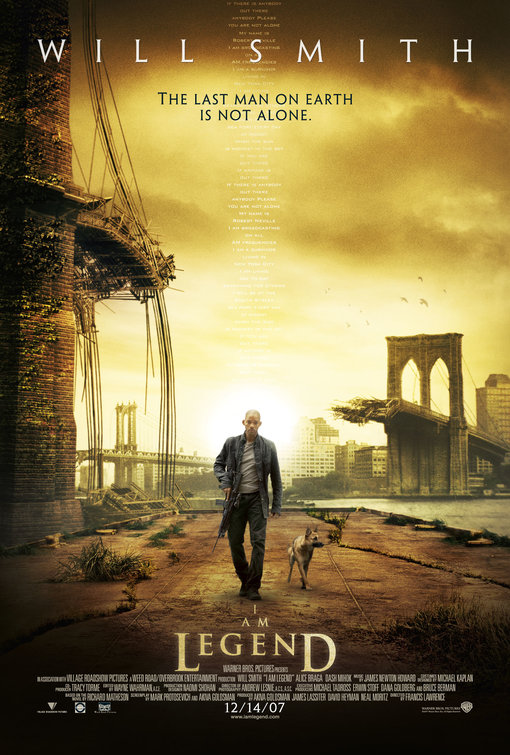
  • Posters - Posters for post-apocalyptic films would often contain the iconography that defines the genre so that the target audience could immediately identify the genre and therefore identify the film as something they'd be interested in watching. They'll usually include a long shot/very long shot showing the protagonist against a typical post-apocalyptic backdrop so that they look very isolated. The colours will be very similar throughout the image with no anomalies to create the idea of repetition as the characters have nothing more than whats shown. The font used will often be bold and look distressed or worn to suit the rundown theme of the genre. The colours will often be brown and sombre. These posters will be placed in cinemas where people who enjoy watching films are likely to see them.

Example of Post-Apocalyptic Film Opening

The Road (2009, John Hillcoat)
This film opening closely follows the conventions of the post-apocalyptic genre. It starts with panning long/extreme long shots depicting a destroyed natural environment. It includes narration and the narration describes how tracking time has been abolished. Furthermore, it's flat colour grading and overall sombre tones is very commonly used in the genre. It's overall very isolated as there's nobody else around. The characters are dressed ruggedly and look like they've been surviving for a long time. There's emotional music to heighten the emotion of the scene and really make the audience empathise with their situation. 


Saturday, 12 November 2016

Genre - Drama

Drama
I have decided to create two extra research posts on two specific genres of film: drama and post-apocalyptic. This is because these are the genres I am considering pursuing for my coursework. 

Drama is a genre of film that focuses on the emotional and relational development of realistic characters. Dramatic themes often play a large part in the narrative of drama films and are often to do with real-life, relatable issues. For example, alcoholism, grief, heartbreak, depression etc. Drama films often follow a character through a conflict with either themselves or an outside party and aim to tell a story of human struggles.

Conventions of the Drama Genre
Conventions of a drama film focus mainly on character development, but often features conventions that rely on realism.


  • Setting - Settings do not play a huge role in drama films as the key themes revolve primarily around the character and their ordeals, even if the character's conflict is with their environment. Drama film settings are often defined by the sub-genre (especially if the sub-genres are generally defined by their setting eg. science fiction) of the film, e.g. courtroom dramas, sci-fi dramas etc. This means there aren't particularly conventional settings in drama films. This being said, because drama films follow a character and their emotional journey, incorporating a setting that suits the character's situation realistically and where a realistic situation can occur is important, especially seeing as realism is a key feature in drama films. Settings that capture the gritty life of people to show human struggles are common, as are ordinary settings eg. houses, workplaces etc. The era in drama films is, again, not important so long as it's a realistic time period to the character's situation. Weather may play a large part in drama settings, however, as pathetic fallacy (mood reflected through weather) is a common technique used to heighten the emotion portrayed in the film. 
  • Technical Codes - Camerawork in drama films is important as it's often used to reflect on a character's mood or state of mind and even help the audience to interpret relationships onscreen in a particular way. For example, using intimate shots such as mid-shots and close ups are a good way of showing a character's emotions through their facial expressions. Furthermore, using intimate shots allow the audience to feel connected to them, meaning they can empathise with them and their struggles better throughout the film. Long shots may be used to reflect a state of mind in the way that they make the character look isolated in their background and disconnected. High angles are often used to depict the characters in a state of vulnerability. Moreover, high and low angles can be used to reflect on the character's strengths and weaknesses. Two shots help depict a relationship between characters. Tracking shots are commonly used to follow a character, and may even reflect on the structure of the film and the actual journey of a character. Zooming to show a character's face from their surroundings is a common technique to show the characters reaction to their surroundings and even just a tense look at their expressions. Lighting can be used to reflect the mood eg. flat/dull lighting can be used to reflect on gritty and bleak nature whereas high-key lighting can be used to reflect on a moment of joy. Colour grading is used similarly, flat colour grading is commonly used in dull scenes whereas warmer grading is used to reflect on a happy moment. 
  • Characters - Characters are one of the main focuses in drama films and it is principle that they are realistic and relatable. They're often portrayed as struggling and in a conflict. They can be typically strong willed to really show the extent of their troubles when they are feeling down. The protagonist will either 'win' or 'lose' at the end, depending on the structure of the narrative, the moral of the story and the sub-genre of the film. For example, in tragic dramas, the protagonist will usually die as these films often take the form of classical Greek tragedies. The character doesn't necessarily have to be likeable/dislikeable, however, in dramas, because the audience sees them in a state of suffering, they'll often pity and empathise with them in spite of their dislikeable nature, a good example of this is in 'Filth' or 'Birdman'
  • Sound - Diegetic sound such as dialogue is important to reflect on the character's relationships as relationships is a key theme in drama films. Non-diegetic sound like music is also important as music helps set the mood and tone for the film and can help heighten the emotion of a scene. This is important as shifting the audience's emotion is one of the key purposes of drama films. 
  • Props - Props aren't a huge part of the drama genre, however, incorporating props that relate to the character's situation and environment is important to portray realism. Props that relate to the key dramatic themes in the film are important too. For example, if the underlying dramatic theme in the film is alcoholism then using props that associate to that issue is important to maintain realism, eg. empty beer bottles etc. 

Target Audience
Due to the heavier themes handled in drama films and the realistic or "gritty" portrayal of life, it can be argued that drama films are not appropriate for children because the heavy nature is too 'grown up' or they may find the lack of excitement and action boring. This is why drama films are best suited to young adults and adults, especially seeing as they would have experienced more in life or find themselves interested in adult themes and would be more interested or relate to the situations in drama films more, perhaps because they have experienced it too or just have more grown-up tastes to do with real life. Furthermore, stereotypically, men are more interested in action-packed films which is why dramas are often associated with women, as they, supposedly, are more empathetic and therefore will prefer the emotional nature of drama films. 

What Do Film Companies Do To Attract These Audiences In Terms of Marketing?
Film companies directly reach out to the target audience my placing advertisement in areas in which the target audience is likely to be. 

  • Posters - Conventional posters of the genre will typically have the character's face on. This is done to, firstly, use the actor as a form of advertisement and secondly, to show what the film is about: the character. This is because drama films focus on the character and their ordeals. Some drama film posters are split 3/4 of the way to show another scene as opposed to just the characters, this helps the audience understand the context of the film a little better and therefore decide if they want to watch it or not. The text on the posters will be quite plain so it doesn't distract from the images. Furthermore, it may reflect on the ordinariness of the film features as realism is a key theme in dramas. The colours of the poster depend on the overall mood of the film eg. if the film ends tragically then the poster may have darker tones whereas if the film is generally happy then the poster will be more colourful. The poster for 'We Bought A Zoo' on the left below shows the cut off effect to give context to the films as well as show the protagonists face (as a way to advertise the cast). The text is plain white and the colours are quite bright to reflect the happy theme of the film. The poster to the right shows the same technique: plain, solid coloured font, the close up of the character and the cut off to show a different scene. 

  • Trailers - trailers for drama films often depict a summarised version of a journey by showing multiple mood changes through change in music etc. This helps the audience realise its a drama through the emotions in the trailer. 

Example of a Drama Film Opening

American History X (1998, Tony Kaye)
This opening scene plays to the conventions of drama films because it establishes serious dramatic themes such as racism etc. and sets up the themes and moods for the film. It also establishes what the character is like and proves that despite the character's dis-likeable nature to begin with, the audience will still grow to support him in spite of his hateful past. The setting is an ordinary location in a house, so portrays realism and relatability. There isn't much dialogue which perhaps suggests how disconnected the characters are. A range of different shots are used to show each different character and show the relationships between the characters. The choice to make the scene monochrome is effective because black and white looks gritty and therefore reflects on the gritty life of the protagonists and character's in the area. 


Genre - Action

Action 
Action is a genre of film in which physical and fast action are predominant in the narrative. The narrative will often follow an individual character or a group of characters facing obstacles and challenges as they set out to obtain a particular goal. Scenes of violent nature are often synonymous with the action genre, as are scenes with car chases, life-threatening situations, gunfights and physical stunts. 


Conventions of the Action Genre
The conventions of the action genre are all very similar, even within separate subgenres eg. Action Comedies commonly feature similar conventions to Action Crime films. This is because the narrative structure often remains the same as it's a fairly successful format.
  • Setting - The setting is often in the present day - this creates a sense of realism/normality for the audience in an otherwise unrealistic film. They're often set in well-populated urban areas, typically in large cities containing tall buildings and skyscrapers, frequent/busy public transport etc. The reason well-populated areas are used is to make any action occurring in the film appear more public and large-scale - this makes the protagonist seem more heroic and the climax or the obstacles in the protagonist's way look more life-threatening, deadly or detrimental on a larger scale as any collateral damage (or damage in general) affects more people as more people are present. Specific locations are often anywhere that is associated with contemporary living, industrialism and man-made locations. These can include warehouses, factories, flats/apartments, banks, trains, casinos, skyscrapers/prestigious modern buildings, underground tunnels (including both off limits (eg. sewers etc.)  and/or public pathways i.e train tunnels etc. and even on transport such as aeroplanes. Aeroplanes and trains etc. connote speed and danger, reinforcing the theme of danger throughout the film.
  • Technical Codes - Fast paced shot cutting is very common in action films as it creates a sense of chaos. Excessive or extreme fast-paced cutting may be used to overwhelm the audience and invoke tension in them as it triggers unease because they see things very quickly in one shot before it changes to the next shot. Tracking shots are typically used to follow the action, particularly in chase scenes. This type of camera movement may be paired with an aerial/overhead shot of the chase - this gives the audience a powerful or godlike perspective and also allows all of the subjects involved in the chase to be captured into the scene as they might be quite separated from one another. Aerial views are useful to capture the scene - particularly as skyscrapers are often in action films. Moreover, it helps establish the sheer vastness of the location and how public/large scale/high key it is - setting up for a more dramatic climax. These angles are also used when helicopter/aeroplane scenes may be occurring - which is fairly common in the action genre. Two shot/three shots and long shots are useful to depict dramatic entrances of a group of characters. Colour grading will be quite neutral in action films - it won't be too overbearing as action films are fairly renowned for their pristine, professional and realistic footage. The overall hue to action footage is generally more blue tinted to create a cool, modern effect. However, warm colour grading may be used in chaotic scenes - particularly when fire or explosions are present because then it creates a hot effect so the audience can imagine what it's really like. Special effects are commonly used in action films - particularly to create explosion simulations or bullets firing etc. 
  • Characters - Action films often feature a male protagonist (similar to crime films - they have a masculine appeal with a traditional 'male' view of the world). They will typically be brave, 'hardened' men. Depending on the film, the protagonist's emotional state and their relationships may vary, for example, in supernatural action film R.I.P.D, the protagonist of the film was very emotionally invested in his wife and very empathetic - other protagonists in typical action films may have commitment issues and are very out of touch in all of their relationships - similar to the typical protagonist of a crime film. The commonly wear suits, military outfits or robust clothing. Action films commonly feature a main antagonist - this character may be highly exaggerated in terms of character, how dramatic they are and how evil they are. This helps play on the theme of binary opposites - a common narrative technique used in action films. The antagonist will stereotypically have an exaggerated accent - generally, from elsewhere the film is set. In Hollywood, the antagonist is typically British. The antagonist may have an overly sexualised female sidekick - these characters don't often aid the narrative much but simply add sex appeal - drawing the typical male target audience in. On the other hand, these characters may be used to seduce the protagonist and lure them into danger with their wily ways and feminine appeal. These characters are always shown as less capable and less smart and significantly below the main antagonist. The main protagonist of the film may also have a companion - these characters don't really add much until when it's necessary - particularly in the climax. The protagonist often has a female love interest who they're romantically or sexually involved with.
  • Lighting - Lighting is often fairly neutral. In scenes used to create a sense of normality neutral or brighter, natural lighting is used to create a more calm, tranquil or happy. When the mood suddenly changes to more chaotic, lighting may be used to connote danger. This lighting is often more intense and artificial - high contrast lighting to create a striking effect as well as spotlighting to make people look intimidating or even vulnerable, depending on the nature of the scene. Natural light sources such as fire are often involved in action films as explosions are a common feature. 
  • Sound - Diegetic sounds are important to make clear what is happening to the audience. Sound effects like gunshots, large bangs from explosions and punching etc. are commonly used. These can be diegetic, or non-diegetic and are created for dramatic effect. In terms of music, often epic and dramatic cinematic scores are used to make a life threatening or tense moment that more dramatic. On the other hand, rock music may be used to create a 'cool' effect, particularly in character introduction scenes or montages of the characters. 
  • Props - One of the most common props used in action films are weapons - particularly guns. These are used to create a sense of danger, tension or excitement as they obviously denote injury or death and the audience are anticipating this. High technology gadgetry may be used, especially in action spy films. 

Target Audience 
Statistically, the target audience for action films is adult males. The certificate rating on most action films is 15+ or 18+, due to the violent nature and is, therefore, inappropriate to children. Elderly people may find the chaos too intense, hard to follow or tasteless, which therefore leaves the age range from young adults to middle age men. Stereotypically, the violence doesn't appeal to women as women are deemed more empathetic than men and would find the chaos and violence difficult to watch. Men are stereotypically more 'tough' and are therefore more inclined to enjoy the violence and danger in the film. The sexualisation of female characters often appeals to men too. 

What do Film Companies Do To Attract These Audiences in Terms of Marketing?
Film companies will try to advertise their film in places older and 'tougher' men may be. For example, pop-up or side adverts on male forums, in gyms etc. 

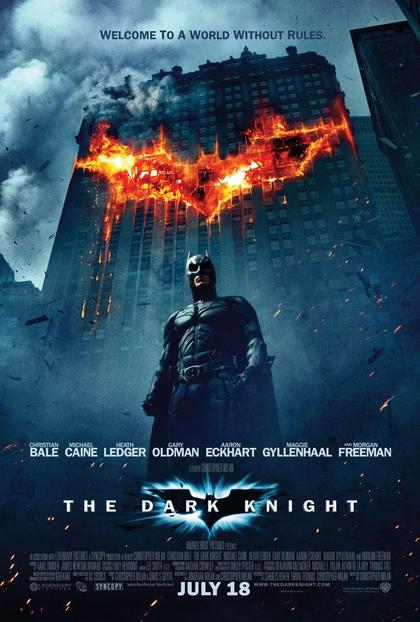
  • Posters - Posters for action films often contain significant characters - however the most eye-catching thing on a typical action film poster is often fire or explosions. Placing images of fire or explosions on action posters shows the theme of danger the film promotes, and therefore appeals to the thrill seeking tough target audience. The overall colour of the poster will be fairly flat, perhaps even darker or cooler tones. This therefore greatly contrasts with the orange/red colours of the fire, making it stand out and therefore highlighting the predominance of danger in the film. Characters wielding weapons - usually guns - will be placed on the poster, another effective way to promote violence and danger to the target audience and therefore intrigue them. These characters may be edited separately to the explosions, or are in the same scene as the explosions eg. running away from it etc. The text is often bold and white - contrasting with all colours of the poster so it will stand out and therefore allow the target audience to remember the name of the film. However, stencil fonts may be used in even bolder solid colours such as red or green - colours associated with danger or military. The poster for The Expendables 2 below on the left is a good example of an action movie poster. It contains flat colours on the top with blue tones, shows characters wielding guns, and has bold, red stencil text. On one-half of the poster, red hot tones are used and there is clearly a fire or explosion. The poster on the right for The Dark Knight shows overall flat and blush tones, with the protagonist in the centre. The text is white - with the recognisable logo to appeal to comic book fans - and contrasts well with the dark, depressing colours. A small portion of the image shows the film/character's logo on fire. Both of the posters include well-recognised names to appeal to the audience as they're trusted typical action film actors. 
Image result for action film postersImage result for action film posters


  • Trailers - trailers for action films will often begin slow, or maybe even subtle. It is common to see buildings collapsing or action going down, however, to slow, creepy music as opposed to dramatic. This shows that the issues arising are heartbreaking, making the audience know just how important it is for the protagonist to fix it. The protagonist is soon shown in the advert and dramatic, cinematic music is used to inspire the audience and invoke awe in them - making them inclined to watch the film. 
Example of an Action Film Opening Sequence 

Spectre (2015, Sam Mendes)
In this opening sequence, a tracking shot to follow the action is used, however, it is continuous and therefore doesn't cut. This is an interesting and artistic technique that creates a seamless and somewhat realistic effect because, obviously, people wouldn't see shots cutting in real life; it involves the audience discreetly without directly addressing them. This is also an interesting technique as it creates a slow and calm vibe, contrasting the theme of chaos and danger often created in an action film. This is to create anticipation in the audience - as the shot is obviously long it makes the audience grow impatient as they're awaiting something to happen, they're waiting for some excitement to happen but it's not and this makes any action that does happen seem so much more dramatic. The first thing we can see is a busy city... there are hundreds of people walking the streets for Day of the Dead, therefore any action about to happen is definitely going to be in the public eye, heightening the drama. The music playing is very consistently flat so it doesn't really add much, however, its Mexican style suits the theme of the event. After the setting is established, the protagonist is introduced - he's seen walking against the traffic of people with an attractive female by his side - a common convention of action.They both have Day of the Dead costumes on - this also gives an air of mystery. The music suddenly grows romantic as they enter a hotel and then the hotel room and the audience are tricked into believing they are about to engage in sexual activity. However, the protagonist changes into a suit - the typical outfit of an action film protagonist. The female asks where he's going as he heads out the window with a gun - this shows that he prioritises work first. The camera follows him dramatically make his way across rooftops before positioning himself in a sniping point. The audience now knows that action is about to take place as he aims the gun at a window. The music has changed to the iconic music of the franchise, reinforcing the idea that action is definitely going to happen.


Friday, 11 November 2016

Genre - Teen

Teen 
The teen genre is a genre of film that is aimed at teenagers or young adults. They generally depict typical teen interests (eg. first love, rebellion, teenage angst, coming-of-age, conflict with parents etc.) in a particularly sugarcoated, stereotyped or trivialised way. They can be quite lighthearted, however, variants of them can be darker. Teen science-fiction films are an example of a heavier variant, often featuring dystopian universes that involve bands of teenagers that rebel against an oppressing body eg. The Hunger Games etc. I think this is a way to play on a teenager's instinctual desire to rebel, which is why this is such a common and successful genre. Teen comedies, however, often involve sexual themes - this not only plays on the age groups hormones and therefore appeals to them, but it also represents a common interest among teenagers and young adults. Moreover, crude humour is commonly seen in teen as its a type of humour that could be considered 'immature' yet too 'adult' for children. Pop-culture is a prominent feature in teen films too.

John Hughes is a noteworthy teen film director, and a noteworthy group of actors is the 'Brat Pack'.

Conventions of the Teen Genre
Teen genre conventions are easily recognisable, however, they do vary depending on the mood of the film. Eg. a teen comedy would have very different conventions to a typical teen science fiction.

  • Setting -  In a typical teen movie, the location will often be centred around a high school. This is the most commonly featured setting, as it is where teenagers are expected/required to be. It is also a relatable environment to the teenage target audience and a large, social and 'well-populated' location where interesting events are likely to occur. Moreover, it enables the inclusion of multiple social groups or 'cliques' - another common convention of the teen genre. These high schools are generally situated in towns or suburban areas - this is because these are particularly uneventful places which the characters can highlight as a factor in their mundane, unsatisfying teenage life (to play on the theme of teenage angst). Also, the idea of a sleepy, uneventful location may juxtapose the eventful plot the film contains. Not only this, large and teeming areas like big cities would not be an appropriate place for a child or teenager to be, so the characters would typically be situated outside of cities etc. Another setting in teenage movies is character's houses. These range from the protagonists to other, insignificant character's houses. A house may be used to host a party. These houses are generally large and clearly, belong to somebody wealthy - there's generally a swimming pool. The protagonist's house is often small and unimpressive, but this isn't always the case. A prominent feature of the protagonist's house will be the bedroom, where the character spends a fair amount of their time and may even host sleepovers. Another setting may be a holiday location when the characters are on school break. This may include a lakehouse, a secluded, rural destination, a beach etc. Beaches are commonly seen in teen movies because people believe beach parties are a popular party destination among stereotypical teenagers. Neutral but social areas, such as cafes etc. are common in teen movies as the central group of friends often use these places to discuss matters. In these areas the characters may accidentally run into another significant character - as they're on neutral 'territory' and all social groups can go to these places. Universities may be used too eg. Pitch Perfect. In science fiction teen movies, dystopian universes are quite commonly used.
  • Technical Codes - Camerawork is predominantly neutral in teen films, however, due to the excessive stereotyping of characters, certain camera shots/angles may be used to portray the characters in a certain light and therefore change the audience's interpretation of them. For example, there is often a form of hierarchy depicted in a teen movie, people at the top of the hierarchy (i.e popular characters) may be captured from a low angle to create an intimidating effect and trigger the audience to dislike the characters. Continuous tracking shots are common because they're often used to manoeuvre around the high school and capture all of the social groups. This is seen in the films 'Easy A' and 'Mean Girls' and plenty of others. The colour grading is overall neutral but may vary depending on the type of mood being portrayed. Eg. the colour grading in 'The Hunger Games' is quite cool, bluish toned because an overall serious and sad mood is being portrayed, whereas, in 'Mean Girls', the colour grading is quite neutral but involves a brighter gradient to convey a more lighthearted mood.
  • Characters - Social groups and stereotypes is the most vastly used convention. These are effective because this is how teenagers typically look at their lives - marking everybody else in a category or stereotype. Moreover, it's relatable because cliques and social groups are common in a large and social place like school. Using stereotypes also leaves more room for diversity, as a range of different types of people is covered. Most of the characters will be a teenager or young adult. The most commonly seen stereotypes are the following: 
> The Jock/Cheerleader - these characters are essentially the most popular 'kids' and would be ranked at the top of the school's social hierarchy. They're often portrayed in a negative light, this is because its generally conveying the thoughts of the protagonist, who hates these characters, despite them being seemingly (seemingly because it often seems that they believe [or it seems that] they are worshipped by the school, when in actual fact everyone probably hates them) worshipped by the entire school. The jocks and cheerleaders are generally extremely attractive, however, are considered not very intellectual or intelligent, reinforcing the common 'all beauty, no brains' stereotype already existing in reality. The characters are often very athletic and are also usually sexually active, arrogant and crude humoured. These characters are often found in groups, they all act and look the same. However, there may be one in particular who doesn't conform to the negative conventions of this stereotype - these can be the love interest of the protagonist of the film. Sometimes this individual may begin the film bad, however, experience redemption and become good at the end eg. Jake Wyler from 'Not Another Teen Movie'.

> The 'It' Girl - These characters can be the protagonist or the love interest of the protagonist. They're an extremely attractive, desirable female, however, are not one to flaunt their beauty - or are even aware of their beauty. The difference between the 'it' girl and the cheerleader is the fact that 'it' girls have a lot more to them - they're both 'it' in terms of personality and aesthetics. A good example of this kind of character is Mandy from the Teen Horror film 'All the Boys Love Mandy Lane'. 

> The Misfit/Rebel - This character is the trouble maker and is generally looked down on by most characters, however, they may sometimes be feared. An example of this character type is Patrick, from '10 Things I Hate About You'. They tie in well with the outcast stereotype because they disassociate themselves with any social group and don't conform to the typical high school set norms and values. The difference is that they show actual displays of deviance, rebellion and defiance as opposed to just being bitter. 

> The Outcast - The outcast is the character that doesn't fit in with any social group - either because they choose not to associate themselves or because they aren't accepted by them. Outcasts tend to be quite bitter, closed off, cynical and judgemental. They generally look down on everybody around them however, they are also looked down upon by everyone else. They are sometimes the protagonist of the film. Often, these characters may be a bit more toned down and more innocent, they're characters 'quirky', intelligent people might tend to relate to. An example of this kind of character is Kat from 'Ten Things I Hate About You'. 
> The Newcomer - This is often the protagonist of the film - they're a character that only just moved into the neighbourhood and therefore all the other character's way of life is quite alien to them. People show an interest in them because they're new and the plot may centre around them adjusting to their new environment. 

> The Girl/Boy Next Door - These characters are very plain - conventionally attractive and friendly/open. They're often friends with the protagonist/love interest, and the protagonist/love interest won't recognise the feelings they have for them and continue to tell them their romance issues. In the end, this is the person the character will normally end up with. 

Other characters include stoners, geeks and somebody who is desperately in love with the protagonist who is usually perceived as quite gross. There are usually token characters included, such as token black characters. The characters are all fairly young so that it will appeal to the target audience and the target audience (teenagers and young adults) can relate to them better. Teachers are incorporated into teen films, some are seen as guidance and good whereas others make the protagonist's life a living hell. Parents are either seen as good or bad, as a huge theme in teen is conflict or rebellion against parents. Parents can be seen as obstacles in the plot, for example, running into his dad in Ferris Bueller's Day Off. 

  • Sound - In typical teen romantic comedies, upbeat pop music is often played as opposed to score music. This is effective because this music will be popular among teens and will, therefore, engage them because they like the song. Moreover, it sets a cheery tone and therefore makes the audience happy. In darker teen films, like The Hunger Games, heavy score music may be used to convey a more serious or inspiring mood. 
  • Lighting - Lighting in typical teen films will be quite neutral. It will be more bright than dark to convey the lighthearted mood that is almost synonymous with popular teen comedies. However, with contemporary science fiction teen films rising to popularity, darker, more moody lighting is used. This is because a serious atmosphere needs to be portrayed. In these films, artificial lighting is fairly common, as it's a common convention of generic science fiction.
  • Props - Props are used in teen films to help set the scene and reinforce the idea that it's set around teenagers. This could include basic objects that would be associated with teenagers. For example, in 'Jennifer's Body' there are band posters layering the walls to make it look like a typical teen room and depict the typical interests of a teenager. Things such as textbooks or folders may help suggest that the characters are in high school and perhaps that they are hardworking. Because stereotyping is very prominent in teen films, props can be used to help express these stereotypes e.g. always carrying a football around shows that they're probably athletic. 

Target Audience - The obvious primary target audience for teen films is teenagers. This is because it appeals to their common interests by highlighting typical things they can relate to, expressed through characters of their own age in a setting they understand very well. Science fiction teen films featuring dystopian universe's appeal to teenagers because of their basic desire to rebel in some way. Furthermore, these universes often lack any adult authority or safety and the characters have to deal with this independently - a liberty many teenagers think they want. Statistically, it is typically females who watch teen film over males, however, the films aren't generally aimed at one gender specifically, except in some cases - particularly when romance is a key element in the narrative. A secondary audience for teen films may be adults, this is because adults may watch them to reminisce and feel nostalgic because obviously, everybody once was a teenager. Older children may be enticed by more immature teen films, e.g. Angus Thongs and Perfect Snogging, because children look up to teenagers as though they're cool and therefore want to be them. This may make them want to watch teen films.

What do Film Companies Do to Attract These Audiences in Terms of Marketing? 
Film companies address the teenage target audience directly, this is easy because they are easy to approach as teenagers are typically more up-to-date with modern technology and social networks than any other audience. The advertisement of pop-culture references within the films is a useful tactic as teenagers are very familiar with pop-culture.


  • Posters - Because one of the main features in the teen genre is stereotypes, the posters will generally depict the characters on the poster. An easily identifiable stereotype will be featured, particularly one associated with teenagers e.g. cheerleaders. This helps direct it at that age group because figures they see in their everyday life will be on the poster and they can therefore relate. The colour scheme for teen posters is generally quite eye-catching, this is probably to catch the eye of immature minds, as older people may find the striking designs gaudy and tasteless. It may contain bold fonts and even side writing - particularly arrows to point out the stereotypes in the film. Some posters, depending on the specific secondary target audience, may be designed to suit a certain gender. For example, the Mean Girls poster pictured below on the left contains 'feminine' colours. Moreover, the characters featured are fashionable, which generally associates with the female gender more. This poster shows the protagonist separated from a group of other characters - this may be playing on stereotypes and the idea of a social hierarchy within the teenage community. Her difference is not only highlighted by her positioning in the image but by what she's wearing and her general stance - she looks very out of place compared to the other girls. The poster for 'Not Another Teen Movie' shows a group of stereotypes, even with labels to state which stereotype each character represents. The stereotypes include 'The Popular Jock', 'The Token Black Guy' and many more. These posters will be placed in areas that teenagers may be e.g Shopping malls etc. 

  • Trailers - Trailers for teen movies often contain a lot of pop-culture references to signify to the target audience how relevant and in-fashion the film is. Moreover, they contain enough footage to establish the key conventions without revealing too much of the plot. These trailers will be shown before other teen movies to ensure they are directly addressing the target audience of this genre. Another technique film companies use that is particularly effective regarding teen films is using social media as a tool to promote the film. This is because social media is where current teenagers spend a lot of their time and therefore this is the most effective way to promote the film to them. 


Example of a Teen Film Opening Sequence 

10 Things I Hate About You (1999, Gil Junger) 
This film opening starts with popular music (already showing a common convention of the genre as it engages the audience) from the era playing and pans from what looks like a busy town onto a car filled with a group of girls. All the girls look quite similar, suggesting that they're part of a clique. This is further reinforced when they look at the character in the car next to them with disgust or rejection because she is not a part of their social group. This also suggests the presence of a social hierarchy, as the characters clearly look down upon this character and perhaps have a higher status than her. When the second girl arrives, the music suddenly changes to a popular rock song because the character in the car is playing it really loudly. Her separate music taste to the other character's suggests her different tastes and personality - this plays on stereotypes because of the exaggerated differences between the characters. The feminine appeal and generally conceited aura of the group of girls in the car relate to the popular/cheerleader stereotype, the fact that they instantly reject the other character suggests that she's an outcast - particularly as she has no social group around her. Moreover, she shows her general angsty, cynical and angry disposition when staring moodily at the characters in the other car and purposely blaring her music loudly. This idea is further reinforced when she drives into the high school (the conventional setting of a teen film) and makes her way past all of the other social groups angrily. She tears down the poster, suggesting her rejection of basic norms and values - this fits her into the outcast stereotype even more. The lighting is natural and therefore quite neutral, therefore not changing the audience's interpretation of the film. The colour grading is quite light - creating a lighthearted mood. The font is very playful and bold, this is appropriate for a teen film because it is whacky and unprofessional which adults may find tasteless however teen would like the colour and crazy font. Overall, this film opening depicts many teen conventions and is a good representation of the genre.


Genre - Crime

Crime 
Crime is a broad genre of film in which crime is the principle focus of the narrative. Crime films often feature the criminals as the 'protagonist' or the anti-hero, as the film recounts their rise and fall. However, this may not always be the case as the film may follow the protagonist investigating a crime eg. Murder Mystery. This is particularly common in crime-thrillers where mystery and suspense would be key elements in the plot. Crime is generally a more heavy genre of film. Binary opposites are a common feature in crime films.

Conventions of the Crime Genre 
The conventions of a crime genre are often quite similar throughout the entire genre - even in varying subgenres of the film eg. comedy.

  • Setting - the most common location for Crimes to be set is in an urban area, particularly inner cities or 'mean streets'. This is an appropriate setting because they're well populated meaning that crime is more common in these areas which creates realism. Furthermore, urban areas aren't considered peaceful but rougher and more violent which creates a more serious environment fitting for a heavy genre like crime. These settings are most commonly at night time - which is the stereotypical time in which crime takes place. The dark is associated with fear and crime, making it an appropriate time. Seedy areas where shady characters are generally prone to be present - this includes run down or poor areas of the city or 'adult' areas. Areas associated with the justice system may be used eg. police stations, detective offices (particularly run down, dingy ones). Areas associated with the rich or famous may be used too. This is seen in the crime comedy film, 'The Nice Guys'. A lot of the time, rich or famous people's houses may be used as a target for the criminal. The protagonist's house is likely to be cheap and temporary. Abandoned or run down warehouses are commonly used too. Occasionally, crime films may feature isolated country houses cut off from civilisation. Banks are common locations for crime films involving heists. Mob crime films are typically set in the early-mid 20th century, when gangster/mob culture was alive. 
  • Technical Codes - Low angles are used to make the antagonist - perhaps even the protagonist - look powerful and intimidating by making them look bigger. Fast paced cutting may be used to build excitement whereas slow paced cutting may be used to create tension, frustration or impatience in the audience. In murder mystery crime films, point-of-view shots are effective to depict a murder from the murderer's perspective without actually showing the murderer to the audience. In darker crime films, the colour grading will typically be darker and moodier. High contrast and sharper images are useful to contain lots of detail in a scene - this helps the audience observe any subtle details relating to the plot. 
  • Characters - When the crime film focuses on a protagonist investigating a crime, a male detective is often used as it's considered a 'male genre' and shows a 'male's view' of the world. The male detective is often either single or divorced and very independent. They're often tough and wise but often show difficulty empathising, expressing human emotion and maintaining relationships - some would be so extreme they may be considered a sociopath. They typically have many useful connections, including professional and underworld figures. They often have their own set of moral standards as opposed to merely abiding by the law - this leaves them open to breaking the law. They often have a past life which brought them suffering - could have been a former criminal or a former police officer etc. It is common for them to drive a specific car which the value very much - perhaps above all things - they also have a very refined and smart fashion sense, commonly dressing in suits and professional/smart attire. The protagonist is generally quite dedicated - perhaps because they have nothing going for them outside of work. Secondary characters may include the victim or the victim's family. These are often female characters - this may be because they're seen by some people as delicate, vulnerable or weak. Moreover, it makes the criminal seem worse because they've targeted someone who typically would be seen as 'less able' to defend themselves. Female characters are often portrayed in a bad light as there are often 'femme fetale' characters involved to seduce the protagonist and perhaps trick them into trouble. Other characters may include the police, who are often frustrated with the protagonist's method of investigation. Crime bosses who the protagonist is working against are involved too, as well as small-time criminals who the protagonist may intimidate information out of. If the film focuses on the criminals, then the anti-hero or protagonist will generally have redeeming factors to them that make the audience like them in spite of their criminal actions. They're often quite empathetic or have no choice because someone or their lifestyle is forcing them into this criminal activity. Corrupt officials may be featured too. Mobs or gangs of criminals are heavily featured.
  • Lighting - Lighting can be quite stark in crime films to create a moody or mysterious atmosphere. Artificial lights are common - they correlate with the urban environment. Heavy and exaggerated artificial lighting is used in interrogation scenes because it has an intimidating effect over the person being interrogated, especially when a spotlight is used as it puts them on the spot. Furthermore, people being under directed light traditionally connotes truthfulness, which correlates well with the idea of an interrogation.  
  • Sound - Diegetic sounds such as dialogue are important to drive the narrative forward, as information regarding the plot needs to be verbally expressed so the audience is completely aware. Music in crime films can be both soundtrack and score, as a score is useful to shift the mood of the audience. Cool rock music popular among men is commonly used - not only does it appeal to the audience, but it also makes the audience see the characters as cool, which makes them more inclined to like them. 
  • Props - Props used as weapons are very common in crime films, the most commonly used weapons are guns - used by both the protagonist and antagonist. Drugs are often used to create a sense of danger and badness. Cool cars are often featured - these are used to create a sense of power. 

Target Audience 
The primary target audience for crime films is adult males. This is because the content is generally quite mature as it often features violence, sex, drugs and other adult-natured subjects unsuitable for children. Elderly people may find the content tasteless, too graphic or scary and therefore wouldn't be a suitable target audience. Males are typically the target audience for crime films because of the particular man-oriented aspects - including a dominant male protagonist and 'male ideologies' eg. that females are considered vulnerable etc. Moreover, the portrayal of violence is stereotypically not suited to females. On the other hand, contemporary crime films occasionally feature strong female leads e.g The Silence of the Lambs.

What do Film Companies Do To Attract These Audiences in Terms of Marketing? 
Film companies address the target audience themselves by placing posters in areas that the target audience may be. For example, the target audience is males so the posters may be placed in 'masculine' places like gyms etc. They may be placed on male-oriented websites and social media - particularly where lad culture is promoted as lad culture promotes the idea of dominance in males which is commonly played on in crime films.


  • Posters - Crime film posters often show the protagonist[s]. These are because the protagonists clearly look cool and will, therefore, get the target audience to admire them, as men are often in awe of suave looking characters. The character[s] on the poster will typically be dressed in smart attire and sometimes wear a hat - this style is almost synonymous with the genre and therefore easily identifiable to the target audience. This style of poster is also effective when a famous actor is starred in the role. Crime posters often show some form of violence or violent weapon on the poster - guns in particular. The colour scheme will generally be quite flat as opposed to colourful - this adds a mysterious appeal and is therefore fitting to the genre. The fonts may be quite thick, bold and large - yet still in basic colours. This adopts a typical masculine style, therefore appeasing the target audience. Sometimes, the posters adopt a cartoon style. The film poster on the left below for Reservoir Dogs is a perfect example of a specific crime poster. It includes violence and weapons (gunfight) as well as sharp dressed men - basic colours with only a splash of colour and a bold font. The poster on the right for Public Enemies is very flat toned and unsaturated in colour. It also includes a sharp dressed man with a gun and bold font. 


  • Trailers - Trailers use rock music to set a 'cool' masculine mood for the film, instantly appealing to the target audience. It may maintain mystery and include a unique and slowish introduction of the protagonist. The setting and overall plot summary may be introduced and the focus will mainly be of the masculinity of the characters so the target audience will admire them and therefore be drawn to the film. 
Example of a Crime Film Opening Sequence 

The Silence of the Lambs (1991, Jonathan Demme) 
This crime film opening features many conventions, however, challenges many others. For example, the character introduced and solely focused on throughout the sequence is female, whereas the protagonist for crime films are often tough and assertive males. Not only is she a female protagonist, but she's depicted as physically strong and able, this contradicts the idea crime creates that involves female characters being vulnerable and weak. However, this strange element is highlighted as unusual by the film itself by placing her among prominently male characters to make her look odd. On the other hand, the character is clearly in some sort of police training exercise - this already positions the character in a professional occupation associated with the justice system and law enforcement - a common convention of the crime genre. The lighting suggests that it is dawn - suggesting the character's dedication to her work (another common element in crime film protagonists). Futhermore, dawn lighting is quite stark which therefore creates an air of mystery - despite the lacking of any mysterious activity it still correlates with the overall theme of mystery associated with the genre. Low angles are used to depict the character climbing over the obstacles. The music over the top is quite inspiring but dramatic scoring, this is effective because the inspiring effect it creates works well with the nature of her activity. Furthermore, using an original score sets a serious and professional tone for the film. The lighting gets brighter as the exterior of a large building is shown - the bright lighting over a professional, law enforcement building helps build a sense of safety associated with the justice system and the police. Artificial lighting is used inside the building, this is common in crime films. Moreover, guns are briefly seen - another common element in crime films. Bold text is used. 


Tuesday, 8 November 2016

Genre - Romance

Romance
Romance films are a genre of film in which the underlying theme conveyed is love and romance. They feature love stories that focus on the journey between two characters and their relationship during a period of dating, courtship or marriage. It is common to see the characters' relationship struggle or them separate and the plot (or a portion of the plot) focuses on them rebuilding their relationship. Many struggles in their relationship are caused by obstacles, including finance, physical illness, discrimination and more. The emotions invoked in the audience heavily depends on the sub-genre of the film. I have found that there are two main sub-genres of romance: romantic drama and romantic comedy. These sub-genres can dramatically change the entire mood and tone of the film.

Conventions of the Romance Genre
Conventions of the romance genre often rely heavily on the sub-genre of the film, for example, conventions in a romance drama may have more heavy themes as opposed to a romantic comedy, in which there would be more lighthearted elements.

  • Setting - In stereotypical romance films, the environments used are places where a realistic chance encounter can occur. These are usually urban environments, but areas considered beautiful or peaceful are commonly used. This can include rural areas, sleepy towns, beaches, the countryside and so on. The setting can help the audience guess what will happen and even set the mood for a film. For example, if one setting featured at the beginning of the film is something that denotes loss eg. a war or battlefield, then the audience will anticipate heartbreak for the characters, therefore setting a heavy, dramatic mood for the rest of the film. On the other hand, if it is set in a Las Vegas casino or bar, then it will suggest that the characters may meet under terrible circumstances, involving a lot of drinking and mistakes - this sets a more lighthearted mood for the film. As for the time period, this may allow the audience to guess the narrative features based on the historical context. For example, if it was set quite far in the past then the audience would expect the conflict between the couple to be based around discrimination (probably from third parties), as this was a common issue in this era. Well-populated areas like large cities are the common setting for romantic comedies to take place, particularly social areas like bars etc. Romanticised, iconic areas are often featured too. For example, New York City or Paris. On the other hand, I don't think the setting has to be specific as people absolutely anywhere can fall in love - it isn't location or timeline specific. 
  • Technical Codes - Camerawork in romance films is quite important to allow the audience to interpret the film in a certain way, particularly regarding the relationship between the characters. For example, two shots are useful in romance films because they contain both the subjects in the frame. This can, therefore depict their interactions etc. to the audience without constantly swapping between over-the-shoulder shots of the two. Depending on the composition in the two shot frame and the angle in which it is captured, the two shot can be used to alter the audience's reading of the film. For example, if a character is placed in front of another than the imbalance may be interpreted as the importance of a character etc. Slow camera movements can be used to set a calm, romantic tone for the film. Mid shots used to introduce characters are useful because romantic films use characters and acting as the focal driving force - so establishing characters is, therefore, important. The mood of a romance will generally be less chaotic and more calm and romantic, therefore editing won't include fast paced shot cutting and angles that convey chaos eg. canted angle. The colour grading of the footage will generally be quite neutral, however, during warmhearted scenes, the colour grading may be warm. Cooler tones may be used when a heartbreaking moment is occurring. 
  • Characters - It is very common to see two very contrasting characters featured in a romance film. This convention plays on the concept that 'opposites attract'. Not only this, but it also allows more room for empathy, connection and relatability between the audience and the characters. This is because having two very opposite characters means there's a lot of personalities to be able to connect with - there's more of a chance someone will relate to at least one character as there's more diversity and is, therefore, more representative of larger, more diverse groups of people. These personalities are sometimes represented through stereotypes. This connects with the narrative theory involving binary opposites eg. boy vs girl, pessimistic vs optimistic etc. Romance films often follow a 'conventional' couple eg. male and female. Romance films do occasionally feature an antagonist - a person who attempts to break the couple up one way or another. Sometimes the antagonist gets between the couple without intending, for example, Lon from The Notebook.  There are so many different types of antagonists that could be involved in romances, however, an example of a stereotypical antagonist in a romance may be the parent of one of the characters, who doesn't like their child's love interest so they get between them. Another example of an antagonist could be a jealous or even discriminative third party etc. In romantic comedies, it is extremely common to features token characters. For example, token black characters that are friends with the male protagonist. This may feature in romance dramas too but it most prominent in comedies. Promiscuous characters, both male and female, may be involved who are generally best friends with the protagonists. These people also often help the protagonists meet. It is common for the protagonists to be quite young characters, however, this may not always be the case. The film will sometimes watch the protagonists age too as they journey through life together (or apart). 
  • Lighting - Lighting in romance films is often quite natural, as it conveys innocence and perhaps even happiness. Warmer lighting may be used when a heartfelt moment is occurring, as the orange/red tones of the sun connotes peace and warmth because of its beauty. Back-lighting may be used as well, to highlight their silhouettes and create an artistic, aesthetically pleasing effect which may be deemed as romantic because of its beauty. Any artificial lighting will be quite stark however fluorescent, for example, fairy lights or lights in an out-of-focus background to create a pretty bokeh effect. 
  • Sound - Diegetic sound is important to hear the dialogue between characters, which needs to be clear. This is important to allow the audience to interpret the character's relationship based on their dialogue and chemistry on screen. Non-diegetic sound, like music, is important because it helps set the mood and tone for the film. The music used for romance films is often an atmospheric, orchestral score - these are often used for significant, moving moments. However, it is common to use popular, generally upbeat soundtrack music in romantic comedies, particularly in montages of the characters. The music during touching moments is often loud to overwhelm the audience with emotion, however, the music is often made quiet to make sure diegetic sound such as dialogue is coherent. 
  • Props - Props are most commonly used to develop a sense of character, as characters are the most significant aspect of romance films. Certain props will allow the audience to infer things about the characters, for example, if they're reading a book then it suggests that they're intellectual and enjoy reading. Props may be used to develop the plot, for example, letters addressed to each other etc. Or the prop is used to bring two characters together. Props that are associated with beauty, love, romance or sex may be common, for example, flowers, wedding bells etc. 
Target Audience 
Romance films are generally aimed at adult (due to any sexual nature, or children are typically not interested in love and romance) females, as it's a common notion that females are more emotional than men and therefore enjoy watching these kinds of emotional films. The films promote the conception that females are more empathetic than males. On the other hand, these movies are also aimed at couples, as couples are able to relate to these kinds of films. On the contrary, it can be argued that romance films are aimed at everyone because a romantic sub-plot is involved in almost every Hollywood film. 

What do Film Companies Do to Attract These Audiences in Terms of Marketing? 
Film companies address the audience directly by carefully placing an advertisement in areas they know the target audience will be situated. For example, a poster placed in an area a female orientated event regularly takes place, or a pop-up advert on a female-oriented social media website.

  • Posters - Romance films posters almost always focus on the characters - it is very common for it to just contain the two protagonists of the film. Sometimes, the poster will contain a frame from an iconic part of the film (most common in romance drama posters), for example, the kiss-in-the-rain scene from The Notebook. The reason the posters contain the characters is because romance's use the characters and the character's relationships as the sole focus and driving force of the film, the poster is just representing the most important part of the film. Moreover, romance posters often show the characters kissing or hugging etc. which helps the viewers realise it is a romance film being advertised, which therefore draws in the target audience of the romance genre. The characters often have a slight white glow around them - this is to make them the sole focus of the image and drown out any background that may catch attention. A common style for romantic comedies is to use 'windows' with character's faces in. This is a good method to use when there's multiple main characters, which is often the case for romantic comedies, or the film company wants to advertise it based on the cast as the cast consists of famous faces. Romantic comedies often use studio photography as the poster, which puts the actors in flattering lighting and gives it a simple, professional appeal. When they show two characters together, the characters will generally be quite separated, and focuses on playful facial expressions as opposed to the two embracing each other. Whereas, romantic dramas often use a shot from the actual film where the characters are against a natural environment - this creates a sense of realism which associates with the drama genre. Romance posters can occasionally contain the two characters as well as a separate photo of something significant to the film that gives the audience context. This can be seen on the posters for 'Australia' and 'Titanic'. The colour scheme for romance films will often be colours that convey romance, lust or love. This mainly includes red or pink. Using sunlit pictures helps convey romance too. The posters below are good examples of romantic posters, the one on the left is for a romantic drama, and depicts the generic conventions of the romantic drama poster stated previously. The poster on the right is for a romantic comedy, and shows the actors against a plain white background - the most common style for romantic comedy posters. They're both aesthetically pleasing which draws attention to them. 


  • Trailers - Romance dramas tend to invoke emotion in the audience - particularly sadness, awe, empathy or wonder. This is because trailers tend to give an indication into the climax and therefore show the character's suffering, triggering empathy in the audience. On the contrary, the trailers don't give too much away and therefore leave the audience intrigued. They also invoke desire or envy in the audience - this is because they play on the audience's loneliness or basic desire for a relationship. This is done by including romantic footage of the couple in the film. Romantic comedies ensure that humour is included in the trailer, the more humour involved the wider the audience will be as it will attract the target audience associated with some comedy too. Trailers will be aired before showings of other romance films, which will therefore directly address the target audience associated with romance.

Example of a Romance Film Opening Sequence

Dear John (2010, Lassie Hallström)
This film opening sequence introduces a character straight away. Because of his costume (US military) and the acting the audience doesn't need a long shot to establish the setting, as we know that they are in a war-zone. The character is clearly wounded, and is looking up with a dazed expression while another soldier tends to him. This disastrous situation contradicts the romantic feel a romance would create. This scene creates a sense of inevitability and doom, as it sets a sombre tone for the film and makes the audience anticipate heartbreak. The lighting in this scene is quite flat or neutral, which correlates well with the serious nature of the scene. The colour grading is very cool and dark, and more blue and green than it is red. These cool tones are appropriate for the sad content of the footage as cooler tones often connote loss and sadness. The sound mainly consists of non-diegetic. Narration can be heard - it can be assumed that the person talking is the same person on camera, as they talk about getting shot and being in the U.S Army. The narration is paired with subtle score music, which is very atmospheric. There is a very faint, warped sound of gunfire (the only example of possible diegetic sound), which adds to the scene setting, moreover, the warped and quiet effect may resemble what the character is actually hearing as they are very spaced out, this helps the audience empathise with them. The scene then briefly cuts to a collection of coins being made - a memory of the characters. This scene is quite mesmerising to watch and therefore sets a more relaxed, beautiful mood that correlates more with the romance genre than the previous scene. This tone is short lived when it throws the audience back into the previous scene. The camera slowly zooms in on the character's dazed face before very slowly transitioning to the next scene. The new scene strongly contrasts with the previous as its set on a beach. It shows a montage of clips depicting the same character from before, only this time he's surfing. The audience doesn't know if the past scene was a flashback or flash forward etc. - This will make them intrigued. The happy images of the character surfing pair well with the high key natural lighting - there's plenty of sunshine and the footage connotes an overall tone of happiness. Not only that but the sunset is very beautiful and romantic, setting a romantic theme that correlates well with the genre. The music now is a very upbeat, acoustic score and the only other sound heard is of the waves crashing, creating a happy mood. The character is now watching the horizon from a pier when a group of young people walk behind them and he continuously looks at them. The camera constantly focusing on them highlights to the audience that they (or one of them) is significant to the film. A prop (the bag of one of the female characters) is knocked into the ocean and another character runs to collect it. The first character then jumps into the ocean and retrieves it. The characters run to meet him on the beach and he goes to hand the bag to her. This shows that the prop is used to bring these characters together and also, again, creates a sense of inevitability because the audience can tell that these characters are going to develop a relationship after this encounter. The setting is a typical beautiful or 'romantic' location - a beach. The dialogue can be heard however not much is really said.


Monday, 7 November 2016

Genre - Science Fiction

Sci-Fi
Science fiction is a genre of film that incorporates abstract, scientific themes into the plot - particularly those that are not accepted by mainstream science eg. extra-terrestrials etc. It is common to involve futuristic elements. Science fiction films are often used to explore political, social or philosophical issues and often involve heroes, villains, unexplored locations, fantastical quests and advanced technology. The emotions invoked in the audience by these films often depend on the subgenre of the film, however, the genre very commonly inspires, motivates or astonishes the audience due to the nature of the odd, often futuristic elements or the exploration of common issues.

Conventions of Sci-Fi genre
Conventions of a sci-fi genre may vary depending on the subgenre of the film (just like most genres of film), however, they are all similar in the fact that the concept of hypothetical, science-based ideas are incorporated into the film's plot. Sci-Fi relies heavily on its conventions.

  • Setting - a key element in a sci-fi's setting is the use of time - it is very common for science fiction films to be set in the future of our current universe where advanced technologies may be featured. These futuristic environments may be established by background qualities that are treated as a normal part of life, including robots, flying cars, futuristic buildings etc. Another section of time a science fiction film may typically be set is in the past, however, the past does not correspond with historical records - it contradicts. It may include events from the past, however, the events are portrayed differently to how they're officially recorded - there is a science fiction touch. For example, an event from the past may be depicted featuring advanced technology that didn't exist during this time. An example of this is Iron Sky. On the other hand, a sci-fi film may be set in an alternate timeline to our own, where no events that we know of have taken place - it may even be set in an alternate universe where nothing we know exists including Earth. A key location a science fiction film typically takes place is on an alternate Earth to ours or another terrain reminiscent of Earth. It is typically set on other planets with completely alien terrain - the landscapes are often extreme eg. dry and sandy, reminiscent of a desert where no lush vegetation will grow that lifeforms we know of will thrive off - only extreme lifeforms will inhabit this area, which leaves it open for aliens to roam etc. Sci-fi films are often set on spacecraft, featuring plenty of advanced technology. These are usually found in outer space, another key location featured in typical science fiction films. Abnormal settings like these are useful for placing the unfamiliar or alien in a familiar context. Post-apocalyptic or dystopian settings are commonly seen in sci-fi.
  • Technical Codes - Long shots are key in sci-fi films because they establish the unfamiliar setting to the audience - this unfamiliar setting is almost necessary in a sci-fi film. Close up shots are useful when capturing specific technologies because they help the audience firstly, see it in detail and basque in its unfamiliar glory and secondly, signify its relevance to the plot by focusing solely on it in one frame. Fast panning camera movements are used to capture the action, as sci-fi films often contain a lot of action. This is useful to create a tense atmosphere and to make the audience feel as though they are caught up in the action. Special effects are very commonly used in science fiction films, specifically regarding the technology in the film. For example, special effects may be used to simulate holograms or sparks from electrics. They may be used to simulate planets in establishing shots of a galaxy etc. Colour grading depends on the location, for example inside a spaceship would generally have blue, flatter colours to suit the modern technology etc. Warmer tones may be incorporated when in dangerous situations, or on certain planets to create an unnatural effect that wouldn't be seen on Earth. For example, on Earth, the colour would be quite neutral whereas to make another planet appear alien the editors may colour grade it unnaturally. 
  • Characters - Characters can be used to establish the film as a Sci-Fi by including hypothetical character types. For example, robots, aliens and mutants etc. These may be focal characters or characters that appear in the background to set the scene. Sci-Fi films often feature a protagonist - generally human but they may be alien etc. The main protagonist's job is to essentially save the day and this may involve sacrificing oneself, however, this isn't always the case. A sidekick of the protagonist may be featured, as well as a romantic interest. Typical villains in sci-fi films have a band of followers or army - whether its alien invaders or an army of mutants etc. The lead villains are often bloodthirsty and power hungry. Sci-Fi films that feature aliens often portray them as evil and threatening to humans, playing on the audience's fears of the unknown. However, this isn't always the case. Dinosaurs may be involved in science fiction films too. 
  • Sound - Non-diegetic sound is important in Sci-Fis - particularly using sound effects for dramatic effect. This is because it's hard to involve diegetic sounds in regards to things that don't exist - which is most likely the case in terms of Science Fiction films. Metallic or futuristic/technology-based noises will be very common in typical sci-fi films because futuristic materials are present. The music will generally be quite modern and electric, however, it is very common to employ dramatic, orchestral music in Sci-Fis because of the inspirational nature of the genre. Music may be used to mark what era it is in, for example, if it was set in the past (especially in a time travel film), old music will be playing to suit the old-fashioned theme. The music playing may even be diegetic, so the characters are aware of the old music playing.
  • Lighting - Lighting in science fiction will typically be more artificial as opposed to natural. This is because it correlates with the futuristic technologies common in the genre, everything is very artificially based in a stereotypical science fiction film. Moreover, artificial lighting is commonly used to imitate alien planets 'natural lighting'. For example, if it's set on another planet, the set designers may employ harsh, exaggerated and colourful lighting and brand it as the lighting on that specific planet because it's so unnatural in contrast to Earth - it makes it clear that it is another planet. Neutral lighting won't really be used because of its association with Earth and creates a sense of normality, which is completely the opposite intention of sci-fi films as the whole theme of science fiction films is the unfamiliar or alien. 
  • Props - Props are a very important method of signifying the setting of a science fiction film. They help establish if its set in the future (if they slightly resemble our own technologies) or in an alternate universe (if they're not remotely reminiscent of our own technologies) and other settings and time periods. Because science fiction films are heavily technologically based, technological props play a key role in driving the narrative forward. For example, a certain prop may be vital for the protagonist to stop the world blowing up etc. Advanced technologies heavily feature, including minor things such as holographic wristbands or laser weapons etc. 
  •  Narrative Themes - War is a common concept in science fiction films, whether is focuses on humans versus aliens etc. or humans versus humans using technological warfare etc. Sci-fi narratives often feature binary opposites eg. human/alien, good/evil etc. These juxtaposing ideas are the foundations for a typical sci-fi narrative because the simplicity can be built around using fictional or hypothetical ideas that the science fiction genre is defined by. A common feature in a Sci-Fi narrative is the idea of an empire or official body oppressing everything, and the protagonists often play the roles of rebels against these governing bodies. This concept is a good starting point for the common theme of war. Time travel often plays a huge part in the narrative, as it's an engaging method to keep the audience fascinated, intrigued and thinking. 

Target Audience 
The target audience of a science fiction film depends heavily on the content and how graphic it is etc. For example, if you compare two sci-fi films: Big Hero 6 and Looper, you can instantly see that the target audience would be very contrasting. However, on a general basis, I would say the typical target audience of the sci-fi genre would be for older children and up - not infants or very small children. I've come to this conclusion because science fiction films are known to explore philosophical issues which younger children would not understand or these issues may not be appropriate for them. I have included older children in the stereotypical target audience however, this is because the amazing technology etc would be enough to fascinate and entice children because children are easily impressed, particularly when it comes to extraordinary things like that. Moreover, many topics are involved that people may not take seriously, eg. extraterrestrials, however, children are very imaginative and therefore would take the subject seriously. Another precise target audience it could be argued that science fiction is directed at is males. Stereotypically, males show interest in action-packed adventure and gadgetry, which is why science fiction is often directed at males as opposed to females.

What do Film Companies Do To Attract These Audiences in Terms of Marketing?
In order to attract these audiences, the film companies must make it clear what type of genre it is, so therefore the target audience of this particular genre will know they'll want to watch it. Furthermore, using psychological techniques may attract specific target audiences eg. males.


  • Posters - Sci-Fi posters often contain a character or an object - the science fiction genre generally ebbs through that particular element because of the sci-fi nature of the object itself. For example, a U.F.O may be printed onto a poster, this'll define it as science fiction as the hypothetical scientific concept (the UFO) can only be featured in a science fiction film, therefore establishing its genre to the viewers of the poster. Moreover, placing this particular object or character on it may suggest the plot or the content of the film. For example, an alien being placed on the poster will suggest its an alien sci-fi, as opposed to a sci-fi featuring dinosaurs in the modern age etc. Placing implausible concepts onto the posters makes the audience intrigued, for example, an alien. Moreover, using psychological or sociological techniques to attract specific audiences may be employed. For example, sci-fi posters are commonly blue, a colour associated with the male gender, this will attract these audiences as they'll be drawn to it because of its 'masculine' appeal. If the poster was bright pink, a male audience wouldn't be drawn to it because this colour is associated with the female gender. Furthermore, employing bright, electric colours will attract imaginative minds of children, as children need a lot of colour and excitement for them to stay interested. If the poster was bland and boring, children would not feel inclined to watch the film as the poster reflects what the film is like. These posters will be placed in areas where this audience is found, eg. cinemas or as pop-up ads on children's or men's websites. The following images are examples of sci-fi film posters. The one on the left depicts a robot, which will instantly grab the viewer's attention because of the unfamiliar or alien nature of the character. Furthermore, it instantly attracts lovers of science fiction by establishing it as a science fiction film through the use of sci-fi conventions - hypothetical ideas (robots). The poster on the right depicts bright, fluorescent lights and colours. The electronic vibe is very commonly associated with science fiction and the futuristic technology instantly attracts the target audience associated with science fiction because of the conventions being displayed. The underlying colour in the image is blue, which is used to attract a male audience as blue is associated with the male gender. The bright colours will attract a child audience as well as the Disney logo, as children will feel compelled to watch a Disney film as the company markets films at children - its a renowned and loved brand. The futuristic background also defines it as a science fiction. Moreover, the contrasting colours plays on the themes of war and binary opposites featured heavily in sci-fi films.

  • Trailers - Trailers attract the audience by establishing the genre through showing the conventions. The trailer gives an essence of the content in the film. For example, a science fiction trailer will include speculative, science-based ideas featured in the film as this defines it as a sci-fi film.  They will reveal some plot to make sure the audience realises it is original and that they won't just be watching the same old sci-fi film. Creating a sense of drama and excitement (common in sci-fi films) in the trailer will make the viewers feel compelled to watch it.
Example of a Science Fiction Opening Sequence

Gravity (2013, Alfonso Cuarón)
It begins with writing on the screen giving scary information about space while tension music rises until it grows to an overwhelming level. The title appears on the screen and then the music abruptly cuts - it has an anticlimactic effect because the anticipation and tension are met with complete silence and slow images of a space shuttle slowly rotating around the Earth. This opening sequence is very uneventful; it uses a continuous shot (starting from an extreme long shot to establish the setting) showing the Earth from outer-space as a space shuttle slowly comes into view. This shot is effective because in science fiction it is vital to set the scene first as the audience are placed in unfamiliar scenery and need to become accustomed to this setting before delving into the plot. If the setting isn't established early on and is revealed quite late into the film it may thoroughly confuse or shock the audience. Because the setting is outer space, this already defines the film as science fiction. The second precise setting established is on/near a space shuttle, another common convention in science fiction and therefore establishing its genre to the audience. Two characters can be heard talking, however, only one is introduced (one can be seen floating in the background though). Due to the quality of the voices, it can be assumed that the characters are talking over a radio or something similar, this is further reinforced when we cannot even see both of the characters conversing. This is the only sound that can be heard, and it has quite an artistic effect because the idea of socialising strongly juxtaposes the theme of isolation created when incorporating a vast setting like outer space. There is presumably no natural lighting involved in this, as it's in space. However, the Earth, characters and objects are well lit so the audience can see what's going on, moreover, there is glare from the character's helmet and the objects around her, so there is a light source from somewhere - perhaps the Sun but the audience cannot tell at this point. The character's costumes correlate with the spacecraft and therefore satisfy generic conventions of science fiction, as do the props. I think the overall uneventfulness creates a sense of inevitability as the audience probably knows that this peace will be destroyed by the time the climax is reached. Overall, the main focus of this opening is to establish the scene as opposed to introducing a portion of the plot, as nothing really happens in the scene.